In today’s digital economy, businesses invest heavily in websites, cloud infrastructure, mobile applications, SaaS platforms, AI tools, and connected devices. Yet many organizations still make a dangerous assumption:
“We have antivirus software, firewalls, and cloud security enabled. We’re protected.”
Unfortunately, cybercriminals disagree.
Modern cyberattacks are no longer limited to hackers trying random passwords. They are highly organized, automated, AI-powered, and often specifically designed to exploit gaps in expertise rather than weaknesses in technology.
The reality is simple: security tools alone cannot protect a business. Skilled cybersecurity professionals do.
The Growing Cost of Cybersecurity Failures

Cyber incidents are no longer rare events reserved for large enterprises. Organizations of every size are being targeted daily.
According to IBM’s 2025 Cost of a Data Breach Report, the average global cost of a data breach remains approximately $4.44 million, while organizations that improved detection and response capabilities significantly reduced their losses. The report also highlighted growing risks associated with poorly governed AI adoption and shadow AI usage.
Even more concerning, Verizon’s latest Data Breach Investigations findings show that credential theft, phishing, vulnerability exploitation, and human-related security failures continue to be among the most common attack vectors affecting businesses worldwide.
The question is no longer if your organization will face cyber threats.
The question is whether you have the expertise to detect, contain, and recover from them.
Security Technology Is Only as Effective as the People Managing It
Many companies invest in:
- Endpoint protection
- Firewalls
- SIEM platforms
- Cloud security tools
- Identity management systems
- Vulnerability scanners
- Backup solutions
These technologies are important.
However, without skilled professionals to configure, monitor, analyze, and continuously improve them, they become expensive checkboxes rather than effective defenses.
A firewall cannot determine whether unusual network traffic represents a legitimate business process or an active intrusion attempt.
An automated alert cannot decide whether a vulnerability requires immediate remediation or whether it is being actively exploited.
Only trained cybersecurity professionals can make these decisions.
Modern Threats Require Specialized Expertise
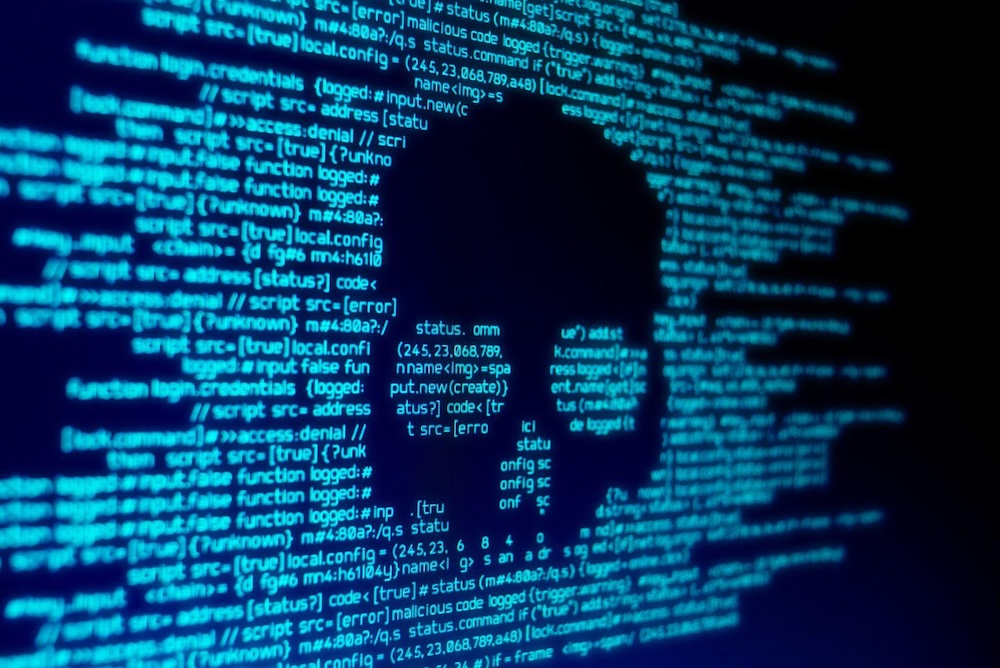
Cybersecurity is no longer a single discipline.
Today’s threat landscape requires expertise across multiple domains:
Security Operations (SOC)
Continuous monitoring and threat detection are essential for identifying suspicious activity before it becomes a breach.
Cloud Security
As organizations move workloads to cloud platforms, misconfigurations have become one of the leading causes of data exposure.
Application Security
Web applications, APIs, and mobile apps require ongoing security testing and code review to prevent exploitation.
Identity & Access Management
Compromised credentials remain one of the most common paths attackers use to gain access to systems.
Incident Response
When a security incident occurs, every minute matters. Experienced responders can dramatically reduce operational and financial damage.
Compliance & Governance
Industries such as healthcare, finance, and government must comply with increasingly complex regulations and security frameworks.
A single generalist cannot realistically master all these areas.
Organizations need access to a team with diverse cybersecurity expertise.
AI Has Made Cybersecurity More Challenging

Artificial Intelligence is transforming both defense and offense.
Businesses are rapidly adopting AI tools to improve productivity, automate workflows, and enhance customer experiences. At the same time, cybercriminals are leveraging AI to:
- Generate sophisticated phishing campaigns
- Discover vulnerabilities faster
- Automate malware development
- Conduct large-scale reconnaissance
- Create convincing deepfakes and social engineering attacks
The World Economic Forum has repeatedly identified cybersecurity and AI-related risks among the most significant challenges facing organizations globally.
Recent industry reports also indicate that attackers are increasingly using AI to reduce the time between vulnerability discovery and exploitation, shrinking the window organizations have to respond.
This means cybersecurity teams must evolve continuously—not just once a year.
The Hidden Cost of Not Having the Right Team
Many organizations only discover their security weaknesses after an incident occurs.
The consequences often extend far beyond technical recovery costs.
Financial Losses
Data breaches can result in:
- Revenue disruption
- Regulatory fines
- Legal expenses
- Recovery costs
- Customer compensation
Reputational Damage
Customers trust organizations with sensitive information.
A public security incident can damage years of brand-building efforts overnight.
Operational Downtime
Ransomware and destructive attacks can halt business operations for days or weeks.
Compliance Violations
Failure to maintain adequate security controls can trigger audits, penalties, and contractual disputes.
These costs often far exceed the investment required to build a capable cybersecurity function.
What Does the Right Cybersecurity Team Look Like?
An effective cybersecurity team is not defined by its size.
It is defined by its expertise, processes, and ability to respond.
A mature cybersecurity function typically includes:
- Security architects
- Security analysts
- Cloud security specialists
- Application security engineers
- Compliance experts
- Incident response professionals
- Threat intelligence analysts
For smaller organizations, this expertise may come through a trusted cybersecurity partner rather than an internal team.
The goal remains the same:
Access to the right skills when they are needed most.
Cybersecurity Is a Business Function, Not an IT Expense
One of the biggest misconceptions in cybersecurity is viewing it solely as an IT responsibility.
Modern cybersecurity protects:
- Revenue
- Intellectual property
- Customer trust
- Regulatory compliance
- Business continuity
- Brand reputation
Every digital initiative—whether it’s a customer portal, mobile application, SaaS platform, healthcare system, e-commerce store, or AI solution—depends on cybersecurity to remain viable and trustworthy.
Organizations that treat cybersecurity as a strategic business capability consistently outperform those that treat it as a reactive technical necessity.
Final Thoughts
The cybersecurity landscape is becoming more complex, more automated, and more aggressive every year.
Technology alone is no longer enough.
Firewalls do not investigate incidents.
Antivirus software does not develop security strategy.
Compliance tools do not understand business risk.
People do.
The organizations that thrive in the digital era will be those that invest not only in security technologies but also in the expertise required to use them effectively.
Because when cyber threats inevitably arrive, the difference between a minor incident and a major business crisis often comes down to one thing:
Having the right cybersecurity team in place before you need them.
Recommended Reading
- IBM Cost of a Data Breach Report 2025
- IBM Analysis: Navigating the AI Rush in Cybersecurity
- World Economic Forum – Global Cybersecurity Outlook 2025
- Verizon Data Breach Investigations Research Summary 2025
Author’s Note: Cybersecurity is no longer a technical luxury reserved for large enterprises. Whether you’re operating a healthcare platform, SaaS product, e-commerce store, or enterprise application, expert cybersecurity oversight has become a fundamental business requirement.